
Services List
Advanced Robotic Joint Replacement (Knee & Hip)
Renowned orthopedic surgeon in the VR specialty clinic, Dr. V. Rajkumar, has over 12 years of experience and is an expert in Advanced Robotic Joint Replacement (Knee & Hip).
Robotic-Assisted Hip & Knee Joint Replacement Surgery in Chennai
How Robotic-Assisted Orthopedic Surgery Makes Recovery Smoother and Safer

Understanding Precision in Robotic-Assisted Surgery
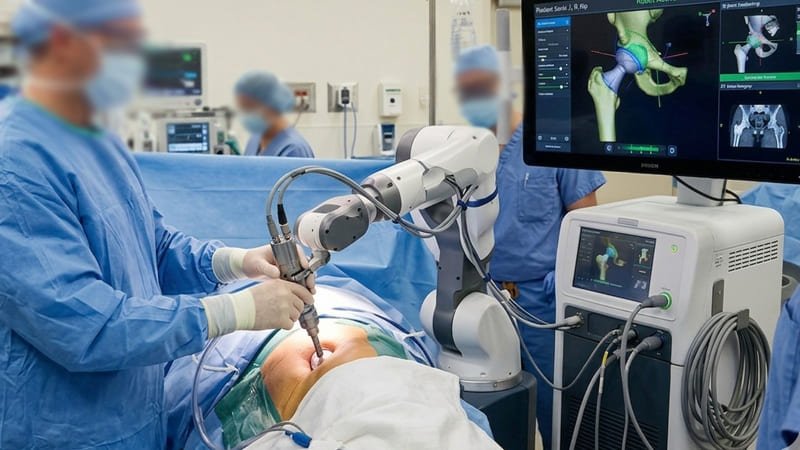
Robotic-assisted orthopedic surgery, especially robotic-assisted knee replacement, represents an evolving approach to orthopedic joint replacement, providing computer-assisted planning and guidance during selected surgical step. This technology allows surgeons to plan and execute procedures with detailed surgical guidance, ensuring the knee is aligned correctly for optimal function and long-term results. Compared to traditional methods, robotic-assisted knee replacement reduces the risk of misalignment, providing better surgical outcomes.

Surgical Approach and Recovery
One of the major benefits of robotic-assisted orthopedic surgery is its minimally invasive approach. Unlike conventional knee replacement, which can cause extensive tissue damage, robotic-assisted surgery is gentler on surrounding muscles and tendons. Pain and recovery time vary depending on the surgical approach and the patient's condition.

Real-Time Feedback Improves Surgical Precision
Moreover, robotic-assisted knee replacement gives surgeons real-time feedback, enabling them to make precise adjustments throughout the surgery. The surgeon considers potential complications and takes appropriate precautions throughout the procedure. The technology ensures that the knee functions properly post-surgery, improving long-term recovery and reducing the need for future interventions.

Understanding Robotic-Assisted Joint Replacement
In conclusion, robotic-assisted orthopedic surgery, particularly robotic-assisted knee replacement in Chennai, at VR Specialty Clinic offers a more efficient solution for patients. With its accuracy, reduced pain, and lower risk of complications, it provides better overall outcomes.
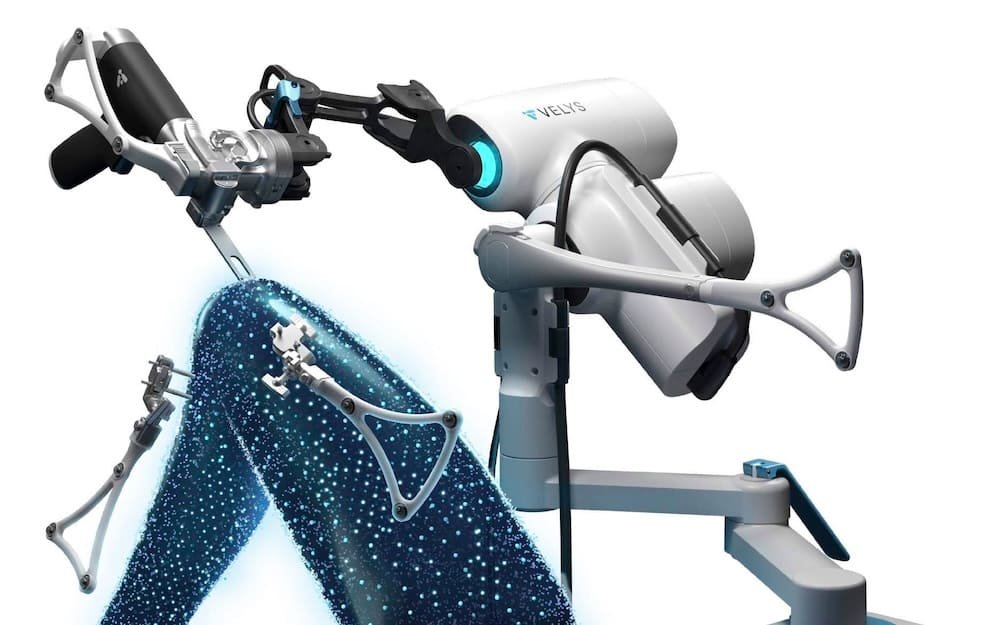
Meet the Technology Behind the Precision: Robotic Arm for Knee Replacement
How Robotic Arms Are Revolutionizing Knee Replacement
The use of robotic-assisted knee replacement is revolutionizing orthopedic surgery. Over the years, traditional knee replacement procedures have evolved, with a growing reliance on advanced robotic systems. Today’s robotic arm-assisted technology, featuring haptic control, offers unparalleled precision and accuracy during surgery, allowing for a more personalized and effective approach to knee replacements.
Expertise in Action: Dr. Rajkumar’s Role in Robotic Precision
Dr. Rajkumar, a renowned orthopedic robotic hip knee surgeon, utilizes the latest robotic systems to ensure the most precise alignment and positioning of knee implants. The key benefit of this technology is its ability to adjust in real-time, ensuring that each implant is placed with optimal accuracy and the knee joint is properly aligned. This shift from mechanical alignment to functional alignment significantly enhances the joint’s long-term performance.
Advanced Knee Phenotyping for Personalized Surgery
In addition, advancements in knee phenotyping are allowing surgeons to further personalize treatments. These updates enable a better understanding of individual knee mechanics, ensuring that the approach to each surgery is tailored to the patient’s unique needs. By incorporating these personalized alignment principles, Dr. Rajkumar, a robotic orthopedic surgeon in Chennai is able to offer better outcomes for his patients.
Is Robotic Knee or Hip Replacement Right for You? Here's What to Know
Customized Joint Replacement Is the New Standard?
Modern advancements in orthopedic care have made procedures like robotic hip and knee replacement more precise, personalized, and successful than ever before. With robotic assistance, joint replacement is no longer a one-size-fits-all solution. Today, patients benefit from tailored surgical plans whether that means a total or robotic partial knee replacement based on their individual needs.
Who Benefits from Robotic Partial Knee Replacement?
Patients with joint damage limited to one compartment of the knee are often ideal candidates for robotic partial knee replacement. This minimally invasive approach preserves healthy bone and soft tissue, offering quicker recovery, reduced pain, and a more natural joint feel. It’s a highly effective option for younger, active individuals or those in the early stages of arthritis.
When Is Robotic Knee or Hip Replacement Needed?
In contrast, patients with advanced arthritis, significant deformity, or damage across multiple compartments may require a full robotic knee or hip replacement. These procedures use robotic systems for precise implant positioning and improved joint alignment. By integrating haptic control and 3D planning, surgeons can achieve more predictable outcomes and reduce the risk of complications.
Customized Surgical Planning by a Leading Specialist in Orthopaedic
Dr. Raj Kumar, a leading orthopedic specialist, carefully evaluates each patient to determine the most appropriate solution. The choice between full and partial replacement is based on joint condition, overall health, and lifestyle goals.
Safe, Personalized, and Life-Changing Outcomes
Through robotic-assisted surgery, patients benefit from safer techniques, customized care, and faster return to mobility. Whether full or partial, robotic replacements offer long-term relief and better function, transforming the joint replacement experience.
Frequently Asked Questions - FAQ
1. What is robotic joint replacement surgery?
Robotic joint replacement surgery is a surgical approach that uses computer-assisted planning and robotic technology to support the surgeon during selected stages of knee or hip replacement. The surgeon remains responsible for performing the operation and making clinical decisions.
2. What is the difference between robotic knee replacement and conventional knee replacement?
Both procedures involve replacing damaged joint surfaces with implants. Robotic-assisted knee replacement uses additional technology to support surgical planning and implant positioning. The suitability and potential benefits of either approach depend on the patient’s condition and the equipment available.
3. How do I know if robotic-assisted knee replacement is right for me?
Patients with significant knee joint damage, persistent pain, stiffness, or difficulty performing daily activities may be evaluated for knee replacement. Whether a robotic-assisted procedure is appropriate depends on the joint condition, medical history, imaging findings, and the surgeon’s assessment.
4. Is robotic hip replacement surgery suitable for every patient?
No. Robotic-assisted hip replacement is not necessary or suitable for everyone. The decision depends on the cause and severity of hip joint damage, the patient’s overall health, the availability of appropriate technology, and the surgeon’s clinical judgement.
5. How can I prepare for a robotic joint replacement consultation with Dr. V. Rajkumar?
Bring relevant medical records, previous X-rays or scans, a list of medications, and details of previous treatments. Be prepared to explain your symptoms, how they affect daily activities, and your mobility goals. The consultation can help you understand suitable treatment options, potential risks, and the expected recovery process.